
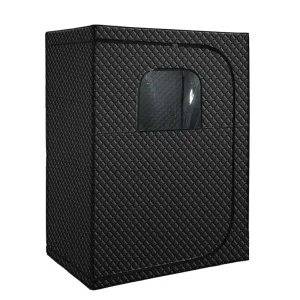
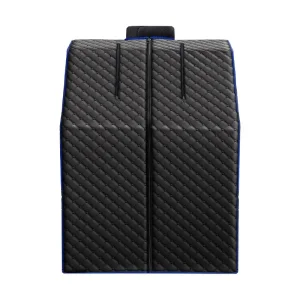
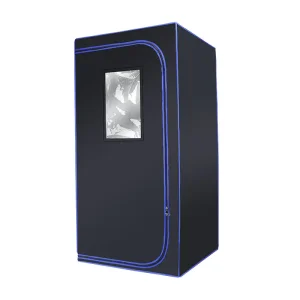
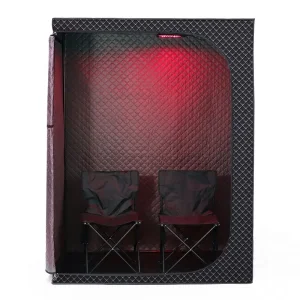
The metropolitan area of Osaka, traditionally celebrated for its historic Sento (public bathhouse) culture and dynamic hospitality industry, is experiencing a fundamental structural shift in thermal bath methodologies. The regional convergence of the upcoming 2025 World Expo, urban real estate density challenges, and the cultural surge in "Totonou" (mental clarity through alternating heat and cold shock therapy) has transformed mobile sauna tents and modular steam boxes from fringe leisure accessories into essential commercial hospitality assets.
Commercial venue operators in Kita, Minami, and the surrounding Kansai countryside (such as Minoh, Nose, and the scenic borders of Lake Biwa) face strict architectural codes and space limitations. Permanent timber sauna installations require heavy structural permits, exhaustive civil drainage overhauls, and strict adherence to the Fire Defense Law (Shōbōhō).
Consequently, high-performance, rapid-deployment sauna tents and prefabricated thermal cabins engineered by reputable global manufacturers provide Osaka hospitality entrepreneurs, glamping operators, and rooftop onsen facilities with an agile, high-margin thermal solution that completely bypasses protracted municipal zoning barriers.
Globally, the portable sauna and cold plunge industry is moving decisively away from basic camping tents toward precision micro-climate recovery capsules. The integration of full-spectrum Far Infrared (FIR), Pulsed Electromagnetic Field (PEMF) grounding matrices, and closed-loop thermodynamic chillers has altered consumer and operator expectations alike.
Tier-1 international supply chains, operating with BSCI, ISO 9001, and SGS certifications, have replaced fragmented regional workshops. For procurement specialists in Osaka, working with vertically integrated manufacturers ensures that critical safety protocols, including thermal runaway protection and low-EMF shielding, are engineered into every unit at scalable economies of scale.
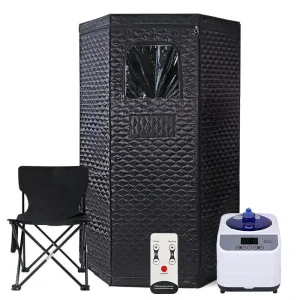
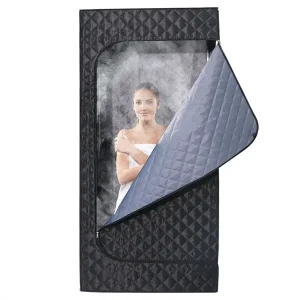
Modern sauna tents manufactured for discerning international markets are complex multi-layer thermal envelopes. The exterior layers feature water-repellent, tear-resistant Oxford 600D or 900D fabrics, lined with high-density, non-toxic heat insulation cotton that limits heat transmission, holding steady operating temperatures of 65°C to 80°C even during exposed sub-zero weather conditions.
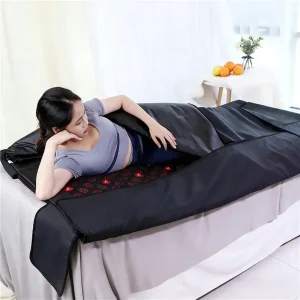
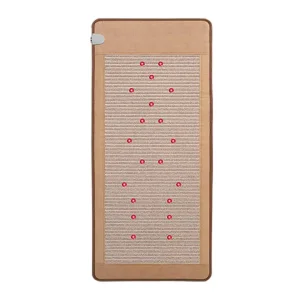
At the manufacturing core, heating elements integrate carbon-crystal or graphene-infused far-infrared conductors. Emitting safe long-wave infrared frequencies within the 6 to 14-micron range (the human resonant absorption band), these systems offer deep tissue hyperthermia without the extreme atmospheric drying associated with traditional wood-fired convection setups.
From private residential wellness alcoves to multi-unit glamping operations, examine how customizable thermal modules solve architectural and operational constraints.
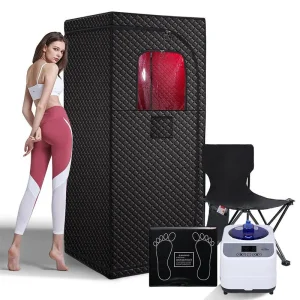
Engineered lightweight, low-footprint single-person steam and FIR cabins designed to fit within Japanese standard high-rise balcony boundaries without breaching structural loading parameters or municipal safety setbacks.
High-tensile modular dome and cube tent structures operating along the riverbanks of Minoh and southern Senshu. Paired with biomass stoves or heavy-duty external steam generators for all-weather eco-tourism.
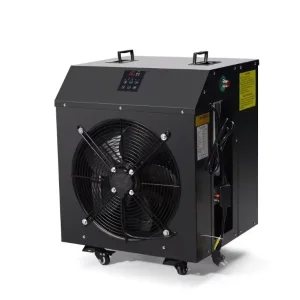
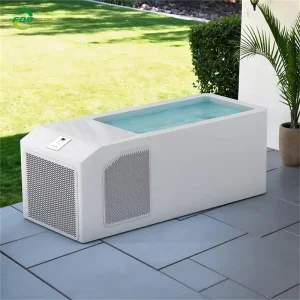
Integrated contrast-therapy suites configured for martial arts dojos, rugby facilities, and professional fitness clubs throughout Osaka city, pairing quick-assembly FIR tents directly with 2°C active cold plunge chillers.
The next generation of portable and modular sauna engineering incorporates edge computing and real-time biometric telemetry. As smart home infrastructure deepens in the Japanese market, forward-looking sauna tent manufacturers are deploying microprocessors directly into central boiler control consoles and FIR controller boards.
Predictive Thermal Throttling: AI-driven PID temperature controllers that auto-tune based on ambient humidity and external weather conditions, reducing power draws by up to 34%.
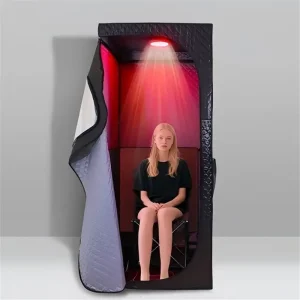
Dynamic Photo-Bio-Modulation: Synchronized red-light arrays (660nm) and near-infrared chips (850nm) embedded inside insulated tent ribs for concurrent mitochondrial recovery.
Bio-Resonant EMF Deflection: Patented multi-axial copper grid layering eliminating electromagnetic interference to strict medical equipment baselines (<0.2mG).
For Osaka distributors and corporate buyers evaluating overseas manufacturing partners, our facilities establish rigorous multi-tier verification workflows:
Detailed technical, regulatory, and supply chain insights for Japanese importers, facility managers, and distributors.
Connect directly with our engineering and foreign trade compliance divisions. Request customized bill of materials (BOM), volume container pricing, and PSE/CE certification dossiers.