
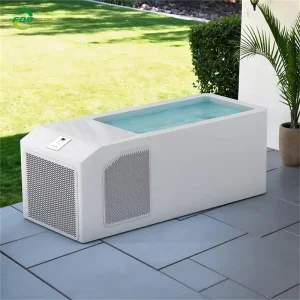
Multi-Layer Acrylic
Turnkey, self-contained cryo-recovery hydrotherapy units engineered to maintain 2°C to 4°C continuous operating temperatures under elevated Latin American ambient conditions.
The Brazilian health, fitness, and human-performance ecosystem is undergoing an aggressive capital transition. Historically reliant on rudimentary protocols—specifically the procurement of commercial food-grade ice bags manually poured into conventional fiberglass shells—fitness operators, high-performance training centers (CTs), and boutique wellness clinics have reached the operational limits of manual cryotherapy. In metropolitan epicenters such as São Paulo, Rio de Janeiro, Belo Horizonte, and Curitiba, the operational cost of continuous manual ice purchases routinely exceeds R$ 3,500 to R$ 6,000 monthly per commercial tub, burdened by logistical delays, uneven water sanitation, and rapid thermal decay caused by tropical ambient temperatures.
The solution gaining rapid adoption across the 26 states and the Federal District is the industrial All-in-One Cold Plunge Unit. These plug-and-play enclosures integrate compressor chilling systems, dual-stage microfiltration, ozone/UV-C sanitation loops, and automated thermodynamic controllers within a single, aesthetically refined footprint. However, deploying high-performance cold immersion systems in Brazil introduces stringent engineering challenges that foreign suppliers must address: high ambient wet-bulb temperatures, high regional humidity, and notable electrical power grid variations between states.
“In tropical latitudes, an uninsulated tub or an underpowered 0.3HP chiller faces continuous thermal breakdown. Sourcing for the Brazilian commercial sector requires industrial heat dissipation, titanium heat-exchanger resistance against mineralization, and certified dual-voltage 60Hz compressors.”
Suppliers serving the Brazilian territory must move beyond consumer-grade cold baths. High-volume Brazilian Jiu-Jitsu (BJJ) academies, Série A football training facilities, premium residential complexes in neighborhoods like Jardins and Barra da Tijuca, and luxury eco-resorts across Bahia and Trancoso require continuous thermal pull-down performance capable of holding 3°C even when ambient outdoor temperatures exceed 38°C.
Why standard European or North American chillers underperform in Brazilian environments without specialized structural and refrigeration modifications.
Brazilian ambient operating environments regularly reach 35°C–40°C with 80%+ relative humidity. Standard chiller coils experience rapid head-pressure tripping. Our units utilize hydrophilic-coated aluminum fins with enlarged condensing surface areas and industrial-grade high-CFM axial fans to prevent high-pressure compressor cutoffs.
Unlike unified European (230V 50Hz) or US (120V 60Hz) grids, Brazil features fragmented regional voltages: 127V 60Hz in São Paulo and Rio de Janeiro, versus 220V 60Hz in Brasília, Florianópolis, and northeastern capitals. We provide dedicated 60Hz rotary compressors calibrated for wide voltage fluctuation tolerances (+/- 10%) without motor overheat.
Brazilian municipal water supplies vary significantly in mineral hardness, chlorine levels, and salinity (particularly in coastal wellness properties). Using copper or low-grade stainless exchangers results in pinhole pitting within months. Pure titanium heat exchangers provide 100% chemical corrosion resistance against chlorine, bromine, and salt-water plunge therapies.
| Performance Parameter | Generic Consumer Import | Dongda Industrial All-in-One Unit | Engineering Benefit in Brazil |
|---|---|---|---|
| Refrigerant Standard | R134a / R410A (Phasing out) | R290 / R32 Eco-Fluid | Zero ODP, ultra-low GWP, compliant with IBAMA and international climate treaties. |
| Target Pull-Down Rate | 25°C to 4°C in ~11 hours | 25°C to 3°C in < 3.5 hours | High recovery turnover in commercial gyms and contrast therapy recovery studios. |
| Insulation Composition | Single-layer 15mm PE foam | High-Density 45mm Closed-Cell PU | Zero exterior condensation sweating under extreme coastal relative humidity. |
| Water Filtration & Purity | Basic mesh screen only | 20μm Filter + High-Output Ozone + UV-C | Eliminates biological biofilms without requiring aggressive chlorination that irritates skin. |
| Electrical Protection Level | Standard domestic grounding | Integrated Class A GFCI / PRCD Breaker | Essential fail-safe protection aligning with Brazilian NR-10 occupational safety rules. |
B2B commercial procurement into Brazil demands rigorous adherence to federal customs, electrical safety, and environmental standards. Sourcing all-in-one cold plunge equipment without verified compliance documentation risks severe customs seizures at maritime checkpoints such as Porto de Santos, Porto de Paranaguá, or Porto de Itajaí.
Any electrical machinery operating in wet environments requires stringent dielectric testing. Our all-in-one chillers and integrated tubs are constructed with certified sub-assemblies conforming to IEC 60335-2-41 (pumps) and IEC 60335-2-24 (refrigeration units). For commercial corporate installations—including fitness chains and sports clubs—equipment must comply with Brazilian regulatory standard NR-10 (Segurança em Instalações e Serviços em Eletricidade). We provide pre-wired industrial PRCD (Portable Residual Current Device) safety switches, complete grounding continuity, and insulated waterproof IPX4/IPX5 control boxes.
Brazil is an active signatory to the Kigali Amendment to the Montreal Protocol, strictly governed by the Instituto Brasileiro do Meio Ambiente e dos Recursos Naturais Renováveis (IBAMA). Importation of older HCFC and high-GWP refrigerants faces strict quota constraints and tariff penalties. Our units run on modern R290 (propane) and R32 systems that carry low global warming potential, expediting environmental clearance upon port arrival through the Siscomex platform.
Importing into Brazil involves complex taxation: II (Imposto de Importação), IPI (Imposto sobre Produtos Industrializados), PIS, COFINS, and state-level ICMS. Proper tariff classification under the Mercosul Common Nomenclature (NCM) is crucial. Categorizing all-in-one plunge systems under accurate machinery subheadings (such as NCM 8418.69.99 for specialized chilling equipment) prevents fiscal re-classification delays, excessive fines, and demurrage overhead.
Supplied with complete technical conformity files, accredited factory test records, and ISO 9001 quality compliance documentation ready for institutional commercial vetting.
Factory-configured native 60Hz electrical architecture. Eliminates compressor harmonic buzz, overheating, and 17% performance loss common when running 50Hz motors on Brazilian grids.
Heavy-duty, fumigated non-coniferous timber crates with moisture-barrier wrapping designed specifically to withstand 35-day maritime transit to Santos without galvanic corrosion.
Strategic deployment profiles detailing how athletic institutions, hospitality operators, and luxury developers integrate Dongda systems.
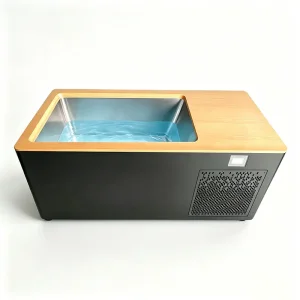
Elite combat sports academies and premier football franchises (concentrated in São Paulo, Rio, and Porto Alegre) subject equipment to extreme turnover: 40 to 80 athletes daily post-training. The FUL-B Stainless Steel Unit, backed by a 1.5HP external cooling unit, delivers continuous thermal recovery at 3°C, counteracting rapid metabolic heat loads without water temperature creep.
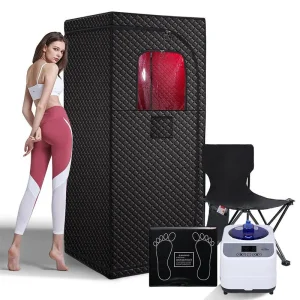
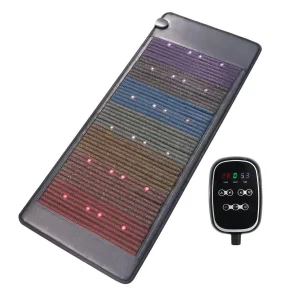
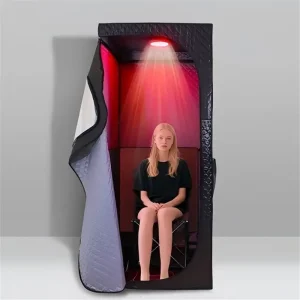
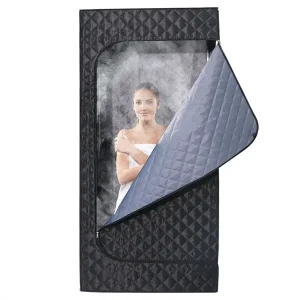
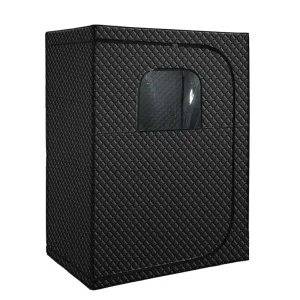
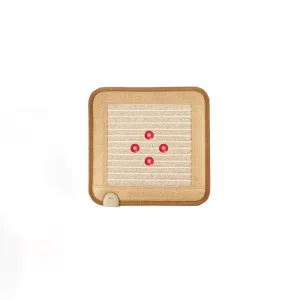
In trendsetting hubs such as Pinheiros, Itaim Bibi, and Ipanema, contrast therapy suites pair cold plunge units with far-infrared sauna blankets and steam boxes. Modern acrylic all-in-one models provide whisper-quiet operation (<54 dB), integrated multi-colored LED chromotherapy, and refined ergonomics that match boutique interior design standards.
Gated master developments (such as Alphaville, Fazenda Boa Vista, and coastal estates in Trancoso or Ilhabela) are substituting traditional swimming pool chillers with dedicated plug-and-play all-in-one cold plunges. Built-in multi-stage filtration ensures crystalline water clarity without daily manual maintenance or pool-boy interventions.
HK Dongda Supply Chain continues to pioneer technological integration tailored for global commercial buyers. Our engineering roadmap addresses emerging operational requirements across tropical climates, high-load commercial facilities, and decentralized power environments:
Integrated cellular/Wi-Fi microcontrollers providing real-time water turbidity diagnostics, filter lifecycle tracking, power consumption analytics, and predictive compressor failure alerts straight to facility managers' mobile apps.
Variable-speed DC inverter chillers designed to pair directly with Brazilian residential and commercial solar PV installations, minimizing high daytime grid electricity tariffs (Horário de Pico) via thermal cold storage.
Advanced hydroxyl-radical oxidation modules combining ultra-short wavelength UV-C (254nm) and electrolytic ozone generators to provide 99.99% viral/bacterial pathogen inactivation without requiring chemical chlorine.
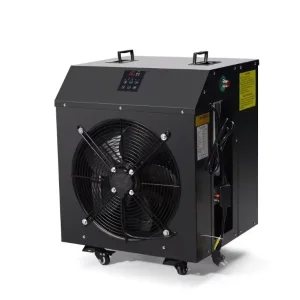
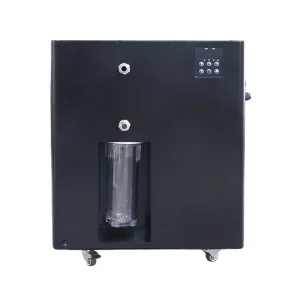
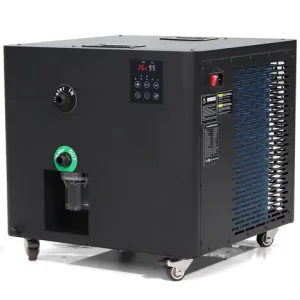
High-demand commercial units, stand-alone commercial chillers, and complementary heat recovery systems available for direct container consolidation.

Direct B2B quotes for full container load (FCL), consolidated LCL palletized shipments, OEM branding requirements, and custom electrical configurations (127V/220V 60Hz).
Critical technical answers for commercial purchasers, distributors, and engineering contractors in Brazil.