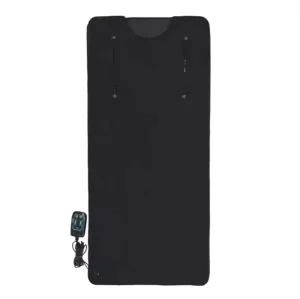
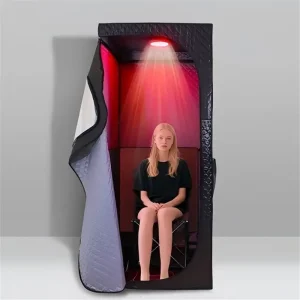
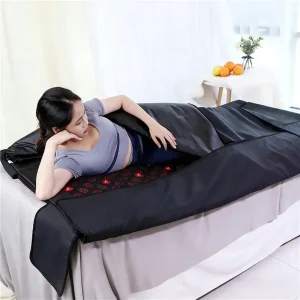
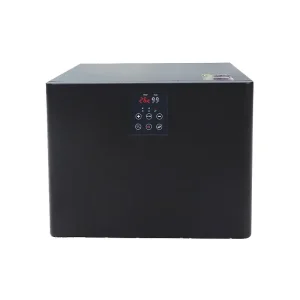
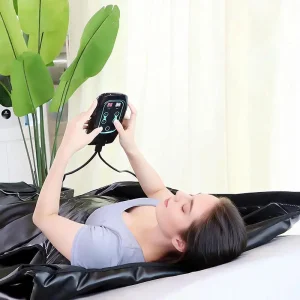
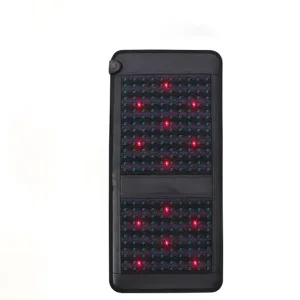
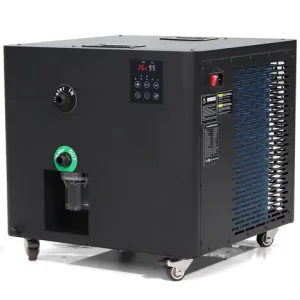
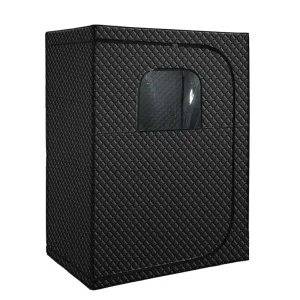
Direct from our precision manufacturing lines: Enterprise-grade ice bath chillers, far infrared sauna systems, and multi-modal recovery suites.
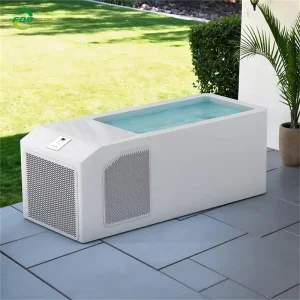
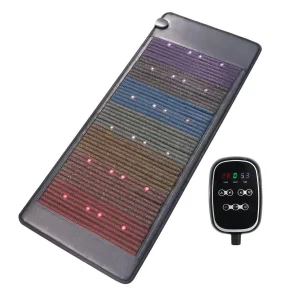
An in-depth analysis of thermodynamic performance, failure modes, preventative maintenance, and supply chain strategies for commercial cold therapy distributors and operators.
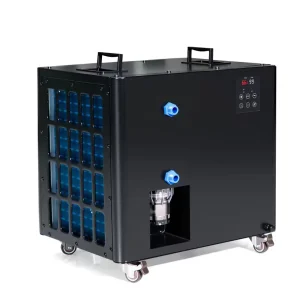
Modern ice bath chillers utilize closed-loop vapor compression cycles optimized for liquid immersion. Transferring thermal energy from high-volume water bodies (200L–1000L) down to target temperatures of 2°C–5°C requires robust compressor architecture, micro-channel evaporators, and eco-friendly R290 or R32 refrigerants.
Unscheduled downtime directly impacts commercial spa revenue and athletic recovery routines. Troubleshooting encompasses four primary sub-systems: fluid hydraulics, refrigerant loops, power electronics/PCB logic, and sanitation modules (UV-C/Ozone).
Deploying equipment internationally demands strict compliance with regional electrical codes (110V/60Hz vs 220V/50Hz), environmental chemical mandates (EU F-Gas regulations), and structural waterproof ingress protection (IPX4 rating standards).
Root-cause analysis and operational remediation workflows for field engineers, B2B customer support teams, and facility operators.
| Fault Category | Symptom / Error Code | Probable Root Cause | Engineering Remediation Workflow | Severity |
|---|---|---|---|---|
| Hydraulic System | Error E01: Flow Switch Alarm / Low Flow Rates |
• Air entrapment within pump housing (Air Lock) • 20-Micron filter cartridge saturation • Debris impeller blockage in 0.5HP/1HP water pump |
1. Inspect external quick-connect valves for vacuum seal integrity. 2. Bleed air via top manual exhaust valve until fluid flow stabilizes. 3. Flush water line and replace micron filter element. 4. Measure water impeller RPM and clear trapped particulates. |
Medium |
| Refrigeration Loop | Compressor Running continuously; Water Temperature Stationary |
• Micro-fracture R290 / R32 refrigerant leakage • Condenser coil dust fouling preventing thermal release • Thermostatic Expansion Valve (TXV) mechanical seize |
1. Execute electronic halogen/helium leak detection on copper brazing joints. 2. Clean aluminum condenser fins using non-corrosive compressed air/solvent. 3. Check superheat values; evacuate system and recharge precise refrigerant mass (grams) per rating plate. |
Critical |
| Electrical / Control | Error E03: NTC Temperature Sensor Out-of-Bounds |
• Probe wire oxidation or harness disconnect • Sensor drift due to water ingress past IP67 seal • Main Logic Board PCB analog-to-digital converter failure |
1. Measure NTC thermistor resistance using a multimeter (compare vs 10kΩ at 25°C baseline chart). 2. Replace stainless steel probe assembly if resistance curve deviates >5%. 3. Re-seat JST connectors on main circuit board. |
Medium |
| Sanitation Module | Cloudy Water / Bacterial Build-up / UV Lamp Off |
• UV-C lamp module reaching 9000h operational lifespan end • Quartz sleeve scaling blocking 254nm ultraviolet light • Integrated Ozone generator diaphragm degradation |
1. Inspect quartz glass sleeve; clean mineral deposits using mild citric acid. 2. Verify ballast voltage supply to UV tube; swap lamp cartridge if filament burnt. 3. Test ozone venture injector pressure differential; replace check-valve. |
Low |
| Power Management | Unit Triggers Household GFCI / RCD Breaker on Startup |
• Ground loop impedance in ungrounded commercial outlet • Compressor start capacitor breakdown • Water ingress into internal heating element / terminal blocks |
1. Perform insulation resistance test (Megohmmeter) between phase/neutral and ground (>10MΩ required). 2. Replace compressor hard-start kit/capacitor. 3. Ensure dry connection on peripheral heat exchanger components. |
Critical |
Analyzing physical deployment variables across diverse geographical, climatic, and commercial environments.
In regions such as Texas, Arizona, or California, outdoor ambient temperatures frequently exceed 40°C. Standard 0.3HP chillers experience high-pressure cutoffs when heat rejection efficiency drops. We re-engineer 0.5HP and 1.5HP models using oversized dual-pass condensers, high-CFM axial fans, and variable frequency drive (VFD) compressors to sustain sub-5°C water temperatures even under direct solar radiation.
European operators face strict regulations under the EU F-Gas policy, mandating refrigerants with Global Warming Potential (GWP) below 150. Dongda water chillers feature factory-sealed R290 (propane) systems compliant with EN 378 safety guidelines. Furthermore, electrical control boxes are redesigned for 220V–240V 50Hz single-phase grids with CE and RoHS compliant electromagnetic compatibility (EMC) filters.
Commercial recovery centers and athletic facilities process 30 to 80 athlete plunges daily. This continuous thermal load requires continuous-duty brushless DC water pumps with continuous flow rates up to 1000 L/H. Sanitation must be continuous, integrating dual-stage filtration (5-micron sediment filter coupled with active carbon) and high-output UV-C quartz chambers to preserve water clarity without high chemical dosing.
Architecting the future of intelligent recovery infrastructure through IoT predictive maintenance and eco-efficient thermodynamic designs.
Integration of Wi-Fi/Bluetooth IoT microcontrollers that constantly stream operational metrics (compressor pressure, delta-T temperature change, flow rate) to a cloud platform. Predictive algorithms detect micro-refrigerant leaks or pump degradation before a complete system failure occurs, notifying facility managers automatically.
Next-gen systems are shifting toward full dynamic reverse-cycle heat pumps capable of heating water to 42°C for hot contrast therapy and dropping down to 2°C for cold immersion within the same physical circuit, achieving a Coefficient of Performance (COP) greater than 4.2.
Replacing traditional coaxial tube-in-tube exchangers with direct-expansion titanium microchannel plate heat exchangers reduces total unit weight by 35% while eliminating corrosion risks from saltwater or high-chlorine recovery setups.
How HK Dongda Supply Chain Limited leverages localized industrial clusters in Guangdong to deliver unmatched manufacturing speed, cost efficiency, and quality assurance.
Located within Guangzhou's manufacturing hub, our operations draw directly from an complete supply network. Specialized component suppliers—ranging from custom rotomolded outer shells and precision CNC acrylic tubs to copper condenser tube drawers—are located within a 50-kilometer radius. This localized cluster eliminates lead-time friction, enabling rapid prototyping cycles of 7–10 days.
Every chiller leaving our assembly line undergoes a 100% multi-stage testing protocol. Units operate under full load inside temperature-controlled testing chambers for 24 continuous hours. We conduct high-voltage ground continuity checks, helium leak detection for refrigeration lines down to 1x10^-6 mbar.l/s, and hydrostatic pressure testing at 1.5x operating limit.
With a workforce exceeding 200 skilled assembly technicians, certified welding engineers, and quality inspectors, our facilities maintain a production throughput capacity exceeding 600,000 units annually across water chillers, sauna blankets, and heat therapy pads. We maintain strategic buffer stocks of long-lead raw materials (compressors, titanium tube, microcontrollers) to insulate B2B buyers from global market price fluctuations.
Detailed answers regarding engineering specs, trouble resolution, custom OEM options, and international shipping protocols.
Explore our complete catalog of far infrared saunas, PEMF heat therapy mats, water pumps, and specialized steam enclosures.