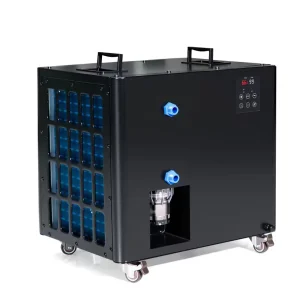
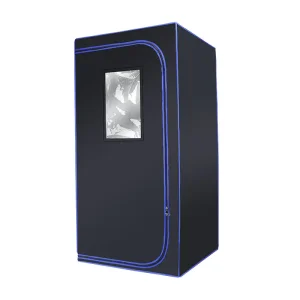
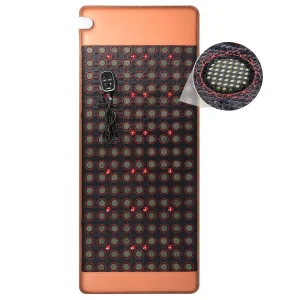
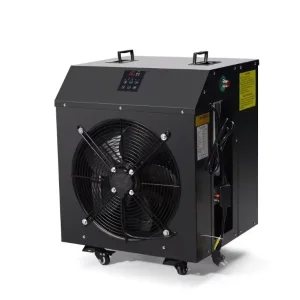
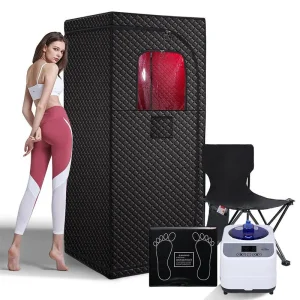
Explore initial technical configurations, OEM water pump systems, far-infrared saunas, and custom chillers directly from our integrated manufacturing lines.
An in-depth evaluation of technological shifts, market growth trajectory, and B2B commercial demand across global regions.
The global wellness, athletic recovery, and biohacking sectors are undergoing a massive technological transformation. Historically, cold water immersion therapy relied on manual ice dumping into basic tubs—a process characterized by extreme temperature volatility, high labor costs, hygienic risks, and complete lack of thermal consistency. Today, institutional buyers, commercial gyms, high-performance athletic facilities, and luxury residential clients demand fully automated, remote operated ice bath chillers capable of maintaining water temperatures down to 2°C (35.6°F) with sub-degree accuracy.
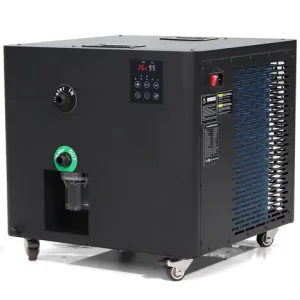
Remote operated water chillers represent the apex of modern cold therapy engineering. By combining closed-loop refrigeration circuits, commercial-grade titanium heat exchangers, micro-bubble filtration, and embedded IoT (Internet of Things) microcontrollers, these units eliminate manual maintenance while providing real-time telemetry, automated diagnostic alerts, and precise schedule programming via iOS and Android smartphone applications.
Demand for advanced ODM (Original Design Manufacturer) remote operated chillers is expanding globally across distinct tier-one geographical markets:
An exhaustive technical analysis of thermodynamic design, IoT circuit integration, eco-refrigerants, and multi-stage water purification.
The heart of an ODM remote operated ice bath chiller lies in its hermetic rotary or scroll compressor. High-efficiency Panasonic or GMCC compressors utilize eco-friendly refrigerants like R290 or R32. Titanium coaxial heat exchangers are engineered to resist corrosion from saltwater, chlorine, or ozone treatment, ensuring zero degradation over decades of continuous operation.
Embedded Tuya or custom PCB Wi-Fi/Bluetooth modules enable seamless smartphone control. Users can remotely turn on the machine, set target temperatures, establish automated weekly cooling schedules, monitor real-time water quality, receive anti-freeze alerts, and perform remote OTA (Over-The-Air) firmware updates.
To eliminate manual water changes, professional chillers integrate 20-micron pleated paper cartridge filters, high-output UV-C quartz sterilizers (254nm wavelength), and high-efficiency ozone generators (50mg/h). This multi-stage loop destroys 99.9% of bacteria, bio-films, and viruses without altering water chemistry.
| Chiller Power (HP) | Cooling Capacity (Watts) | Recommended Tub Volume | Pull-Down Time (20°C to 3°C) | Primary Target Scenario |
|---|---|---|---|---|
| 0.3 HP | 850 W | 150 L – 250 L | Approx. 4.5 Hours | Personal Inflatable Tubs / Residential Use |
| 0.5 HP | 1,400 W | 250 L – 400 L | Approx. 3.0 Hours | Boutique Home Gyms & Executive Suites |
| 1.0 HP | 2,800 W | 400 L – 700 L | Approx. 1.8 Hours | Commercial Recovery Clubs & Gyms |
| 1.5 HP | 4,100 W | 700 L – 1,200 L | Approx. 1.1 Hours | High-Traffic Athletics & Multi-Person Plunges |
Why leading global wellness brands partner with specialized Chinese factories for complete ODM/OEM turnkey remote chiller production.
China's Guangdong province (specifically Guangzhou, Foshan, and Shenzhen) represents the world’s most concentrated HVAC, thermal management, and electronics supply ecosystem. HK Dongda Supply Chain Limited leverages this proximity to secure premium components—such as Panasonic compressors, custom titanium exchangers, and medical-grade silicone tubing—at unrivaled economies of scale.
This localized supply density allows us to compress product development cycles drastically. Where Western OEMs often require 12 to 18 months for a new chiller tooling phase, our specialized engineering team delivers fully functional rapid ODM prototypes—complete with custom metal housing powder-coating, circuit board assembly, and customized app integration—in under 35 days.
Operating under strict ISO9001 quality management standards, HK Dongda Supply Chain Limited subjects every ODM remote operated chiller unit to an exhaustive 7-stage quality control protocol prior to export container loading:
How remote operated ice bath chillers serve diverse vertical industries worldwide.
High-volume fitness facilities deploy 1.0HP or 1.5HP chillers connected to large stainless steel or acrylic tubs. Remote management allows facility managers to set automated schedules (e.g., turning on chillers at 4:30 AM before morning classes open) and lock physical touchpads to prevent unauthorized client tampering.
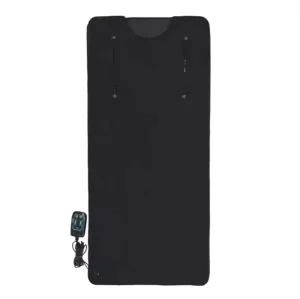
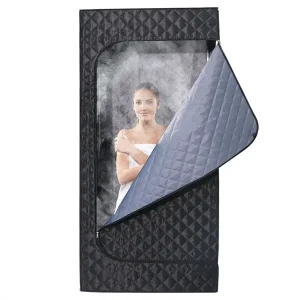
Dedicated recovery lounges pair remote operated cold chillers with infrared sauna boxes and PEMF mats. Studios utilize app group-controls to manage multiple therapy rooms simultaneously from a central front-desk tablet, reducing staffing demands.
Affluent homeowners integrate custom OEM chillers into smart home automation ecosystems (Apple HomeKit, Google Assistant, Tuya Smart). Homeowners can trigger a cold plunge cycle remotely while commuting home from work, ensuring perfectly chilled 3°C water upon arrival.
Elites sports teams require heavy-duty mobile or fixed chillers with real-time temperature tracking and automated sanitization history logs to meet medical-grade hygiene compliance for professional athletes.
Key technological innovations defining the next generation of remote operated cold plunge machinery.
The industry is rapidly shifting toward DC Inverter Compressors that dynamically adjust motor speed based on water thermal loads, reducing electrical energy consumption by up to 40% compared to traditional fixed-speed ON/OFF units. Furthermore, dual-mode Heat Pump technology enables a single unit to cool water down to 2°C in summer and heat water up to 42°C (107.6°F) in winter for versatile year-round contrast therapy.
Next-generation ODM chillers incorporate embedded sensors measuring filter pressure differential, total dissolved solids (TDS), flow rate (Liters/Min), and refrigerant pressures. Cloud algorithms process this telemetry to send proactive push notifications when filters require changing or when compressor performance drops, preventing hardware failures before they occur.
Essential evaluation parameters for international brands, wholesalers, and e-commerce importers when selecting an ODM manufacturer.
Verify that the manufacturer provides region-specific voltage configurations (110V/60Hz with NEMA plugs for North America; 220-240V/50Hz with EU/UK/AU plugs for international markets) or universal dual-voltage power supplies.
Inquire about software white-labeling capabilities. A top-tier ODM partner allows you to brand the mobile iOS/Android app UI with your company logo, color palette, and custom domain server endpoint.
Ensure outer cabinets use rust-resistant materials such as 304/316 stainless steel or heavy-duty powder-coated aluminum alloy with IPX4 or IPX5 rating for outdoor longevity against UV and rain exposure.
Confirm the availability of replacement filter elements, quick-connect hoses, spare PCB boards, and replacement water pumps stored in regional warehouses to ensure rapid warranty fulfillment.
Clear, technical answers to common questions asked by B2B buyers, distributors, and facility managers.
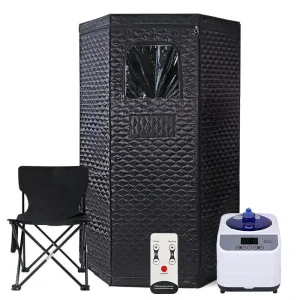
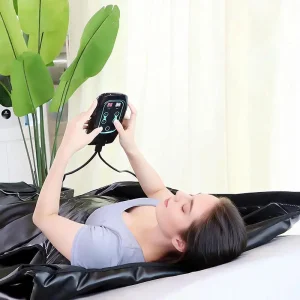
Explore additional contrast therapy equipment, steam bath boxes, spectrum blankets, and compact water chillers.