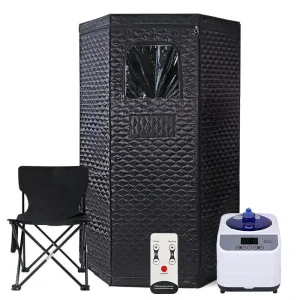
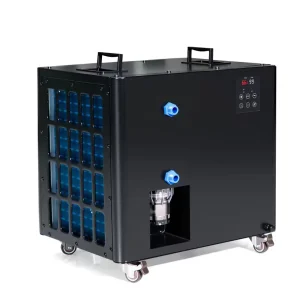
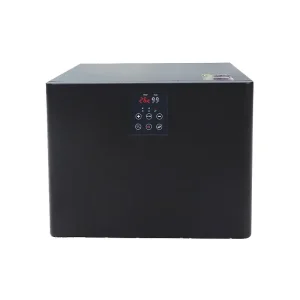
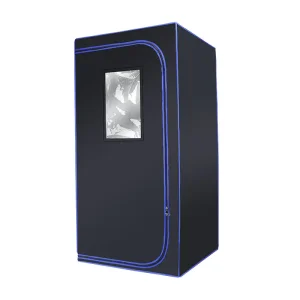
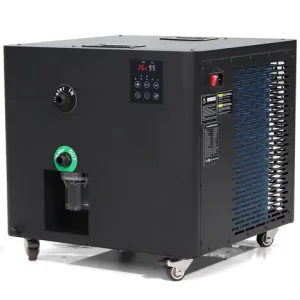
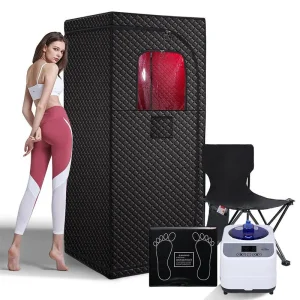
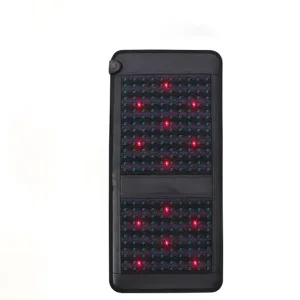
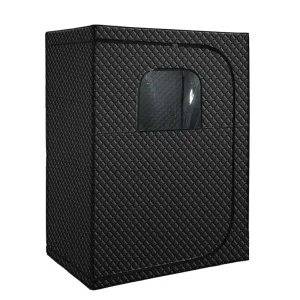
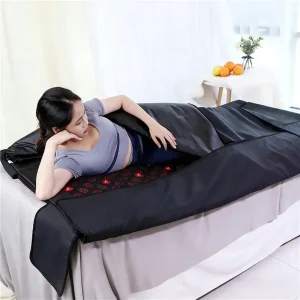
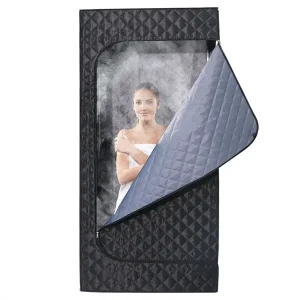
Explore our flagship export configurations, engineered for heavy-duty commercial, health, and industrial cooling operations.
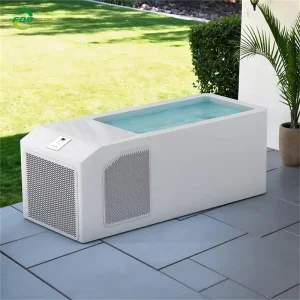
Analysis of macroeconomic demand drivers, thermodynamic challenges, and the rapid expansion of 500-liter precise thermal control machinery across worldwide markets.
The global demand for high-capacity fluid thermal management has experienced an unprecedented surge over the past decade. Among the various volumetric tiers, the 500 Liters Water Chiller Machine occupies a critical sweet spot in modern industrial engineering and commercial wellness infrastructure. A fluid volume of 500 liters (approximately 132 US gallons) requires a highly sophisticated thermodynamic equilibrium: it is large enough to handle high continuous thermal loads—such as multi-user hydrotherapy commercial plunges, medium-scale industrial laser cutting, pharmaceutical reaction vessel jacketing, and craft brewery wort cooling—yet compact enough to operate on optimized footprints with strict energy consumption standards.
In commercial sectors, the rapid expansion of physical recovery hubs, biohacking centers, professional sports training facilities, and luxury medical spas has converted water chilling from a luxury amenity into a baseline operational requirement. Maintaining a 500L reservoir at precise cold therapy temperatures (between 2°C and 5°C) despite heavy, continuous user throughput demands industrial-grade compressor dynamics, continuous inline micro-filtration, and high-efficiency heat exchangers. Simultaneously, in the industrial domain, high-precision fiber lasers, plastic injection molding units, and CNC machining centers rely on 500L recirculating chillers to mitigate thermal expansion and preserve micro-inch machining tolerances.
From a regulatory perspective, the global market is shifting aggressively toward strict environmental compliance. Regions such as the European Union (under F-Gas regulations) and North America (EPA SNAP regulations) are forcing a rapid phase-out of legacy refrigerants like R22 and high-GWP HFCs like R410A. Advanced Chinese manufacturing ecosystems have responded by pioneering native integration of next-generation green refrigerants including R290 (Propane) and R32, offering near-zero Global Warming Potential (GWP) and superior thermodynamic COP (Coefficient of Performance) ratings.
Understanding heat loads, Delta T (ΔT) thermal drop expectations, heat exchange materials, and electrical design logic.
Utilizing DC Inverter Scroll or Rotary compressors (Panasonic, Mitsubishi, or Copland based). Inverter technology dynamically modulates motor frequency, avoiding energy spikes and ensuring precise target thermal holding.
For commercial cold plunge and aquatic setups, pure Titanium shell-and-tube evaporators eliminate corrosion caused by chlorine, ozone, or salt water. Industrial models utilize ultra-compact 316L Stainless Steel Brazed Plate Heat Exchangers (BPHE).
Integrated RS485 Modbus and Wi-Fi IoT control modules allow facility engineers to monitor flow rates, head pressure, compressor temperature, and fault logs remotely in real time via smartphone or central BMS.
Selecting the appropriate horsepower (HP) or cooling capacity in Kilowatts (kW) for a 500-liter system requires calculating the thermal load based on mass, specific heat capacity of water, target temperature drop, and desired pull-down time.
Cooling Power Formula: Q = (m × C_p × ΔT) / t
• m (Mass): 500 kg (500 Liters of fresh water)
• C_p (Specific Heat of Water): 4.186 kJ/kg·°C
• ΔT (Temperature Difference): Pulling down from 25°C ambient to 3°C cold plunge target = 22°C drop
• t (Target Pull-Down Time): 4 hours (14,400 seconds)
Calculation: Q = (500 × 4.186 × 22) / 14,400 = 3.19 kW of Continuous Refrigeration Capacity
Accounting for ambient heat gain through uninsulated tub walls, pump heat dissipation (+15-20%), and safety factors, an optimal installation mandates a machine rated between 1.5 HP to 3.0 HP (approx. 3.8 kW to 7.5 kW cooling power).
| Specification Parameter | Commercial Cold Plunge (500L) | Precision Industrial Laser/CNC (500L) | Food & Beverage Flash Cooling (500L) |
|---|---|---|---|
| Target Water Temp Range | 2°C – 15°C (35.6°F – 59°F) | 15°C – 25°C (59°F – 77°F) | 0.5°C – 4°C (32.9°F – 39.2°F) |
| Evaporator Material | Coaxial Titanium Tube / PVC Shell | 316 Stainless Steel BPHE | Food-Grade 316L SS Sanitary Tubing |
| Circulation Pump Type | Magnetic Drive Silent Pump (Self-priming) | High-Head Multi-Stage Stainless Pump | Sanitary Centrifugal Tri-Clamp Pump |
| Water Filtration Integrated | 20 Micron Sediment + UV Sterilizer + Ozone | Inline Y-Strainer (50 Mesh) | Micron Dual Cartridge High-Flow |
| Refrigerant Choice | R290 / R32 Eco-Green Gases | R410A / R32 / R134a | R290 / R134a / R407C |
How Pearl River Delta manufacturing clusters deliver unmatched cost-to-performance ratios, rapid scaling, and strict quality assurance.
China’s status as the world’s primary hub for HVAC and industrial refrigeration machinery is grounded in deep structural advantages. The Guangdong industrial supply chain (encompassing Guangzhou, Shenzhen, Dongguan, and Foshan) houses the world's most concentrated ecosystem for compressor manufacturing, copper tubing extruders, custom sheet metal stamping, smart PCB assembly, and specialized rotational molding for water reservoirs.
Direct localized proximity to world-leading compressor production lines (GMCC, Highly, Panasonic Guangdong factories) reduces component procurement lead times from weeks to hours, allowing rapid design iterations for custom OEM orders.
Tier-1 Chinese factories implement 100% automated end-of-line testing: nitrogen leak detection, high-pressure helium mass spectrometer testing, electrical insulation withstand tests, and 24-hour continuous burn-in temperature logging before packing.
Unlike Western manufacturers who strictly enforce standardized off-the-shelf SKUs, Chinese suppliers specialize in custom branding, tailored sheet-metal powder coating, custom dual-voltage transformers (110V/220V/380V), and specialized plumbing inlet/outlet geometries.
Detailed operational walkthroughs across key commercial and industrial deployments globally.
In high-traffic recovery centers, 500L tubs host up to 15-20 users per hour. A continuous 500L chiller maintaining 3°C water must rapidly overcome body heat loads (+37°C entering user temp). Features like high-output UV-C lamps, 20-inch 5-micron particulate filtration, and automatic ozone injection ensure crystal-clear, sanitary water without frequent water changes, cutting municipal water bills dramatically.
High-power 3kW to 12kW fiber laser cutters generate vast waste heat at the optical head and laser source. A dual-circuit 500L water chiller provides independent temperature loops: a low-temp loop for the optics and a room-temp loop for the laser source. Precise control (±0.3°C) prevents thermal condensation on expensive lens assemblies.
During peak fermentation, 500-liter jacketed conical fermenters require steady glycol-water cooling at -4°C to +2°C to control yeast metabolic rates. A dedicated 500L chiller system prevents thermal runaway during exothermic fermentation, preserving delicate aromatic ester profiles in IPAs and Lagers.
Root zone temperatures in 500L nutrient reservoirs above 22°C lead to rapid dissolved oxygen depletion and Pythium root-rot outbreaks. Installing an inline 500L Titanium water chiller locks nutrient fluid at a stable 18°C, maximizing oxygen saturation and boosting plant biomass yield by up to 35%.
Navigating total cost of ownership (TCO), international trade compliance certifications, and freight logistics for optimal procurement ROI.
When global buyers evaluate procurement of a 500 Liters Water Chiller Machine from Chinese suppliers, looking beyond initial FOB (Free on Board) unit price to analyze total landed cost and operational ROI is vital.
Ensure the factory provides verified documentation: CE Directives (LVD 2014/35/EU, EMC 2014/30/EU), RoHS Directive 2011/65/EU, and FCC Part 15 for North America. For pressure vessels, compliance with the Pressure Equipment Directive (PED 2014/68/EU) or UL 1995 standards is essential.
A premium DC Inverter 500L chiller consuming 1.8kW electrical power can yield over 6.0kW of refrigeration effect (COP > 3.3). Over a 3-year continuous operation cycle in a commercial spa, high COP rating reduces electrical overhead by up to $4,500 USD compared to fixed-speed legacy units.
Water chillers contain pressurized circuits and delicate copper geometry. Professional Chinese suppliers utilize ISPM-15 compliant fumigated wooden crates, internal vacuum foil barrier wrapping, and shock-sensor indicator tags to prevent shipping damage during sea transit.
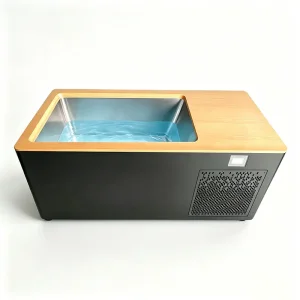
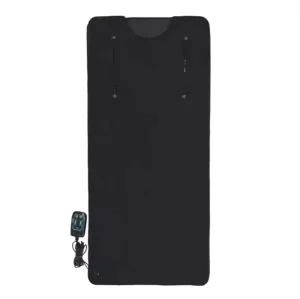
Complete your contrast therapy or industrial setup with our fully customizable factory-direct wellness and thermal management products.
Technical and commercial clarity addressing key buyer enquiries during factory vetting and purchasing negotiations.