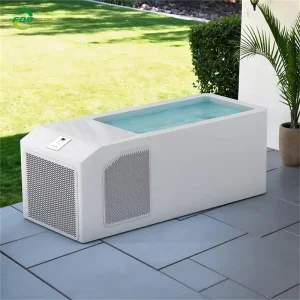
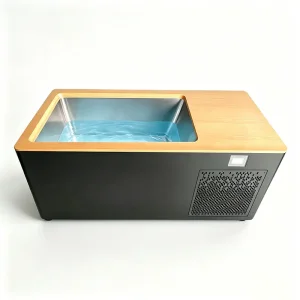
Enterprise-grade equipment engineered for wellness centers, commercial gyms, and OEM brand portfolios globally.
Analyzing the paradigm shift in cold plunge hardware engineering and multi-market B2B procurement trends.
The global health and recovery sector is undergoing an unprecedented structural transition. Cold water immersion (CWI) and contrast therapy—once restricted to elite athletic facilities and specialized medical institutions—have penetrated mainstream commercial fitness, boutique wellness clubs, biohacking centers, and high-end residential installations. As end-users demand sustained cold temperatures (down to 2°C / 35.6°F) without manual ice loading, the market requirement for high-efficiency, automated continuous-duty water chillers has surged exponentially.
Central to this technological transformation is China's advanced HVAC and refrigeration manufacturing infrastructure. Chinese manufacturing clusters, particularly in Guangdong and Zhejiang provinces, have evolved from basic assembly hubs into global engineering powerhouses specializing in specialized micro-chillers. Among the various thermal architectures, R410a ice bath chillers represent a robust, battle-tested standard that balances high volumetric cooling capacity with industrial durability.
Heavy duty usage demands continuous thermal pull-down capabilities. Commercial gym environments require chillers equipped with high-displacement compressors and titanium heat exchangers that can handle dozens of consecutive bathers without thermal degradation.
Franchise networks necessitate standardized OEM hardware equipped with integrated UV sanitization, micro-filtration, and IoT remote telemetry for predictive maintenance, error diagnostics, and operational safety monitoring across multi-state operations.
Direct-to-Consumer (D2C) brands require compact, visually elegant all-in-one plunge units. Priorities shift toward whisper-quiet acoustic dampening (<48 dB), low EMF signatures, plug-and-play installation, and global electrical compliance (110V/220V dual-voltage).
When sourcing ice bath chillers from Chinese factories, technical procurement directors must evaluate thermal performance based on BTU/hr output at target bath temperatures (3°C - 5°C) rather than rating compressors strictly at standard HVAC air-conditioning test conditions (7°C evap / 35°C ambient). This critical engineering metric separates commercial-grade chillers from modified aquarium coolers.
A rigorous engineering comparison of R410a hydro-fluorocarbon systems against alternative eco-refrigerants in cold water recovery application.
Refrigerant selection governs compressor sizing, operating pressure thresholds, condenser surface area requirements, and overall Coefficient of Performance (COP). R410a—a near-azeotropic mixture of difluoromethane (R32) and pentafluoroethane (R125)—has long served as the flagship refrigerant for high-pressure cooling systems due to its high volumetric capacity and superior heat transfer coefficient.
To provide actionable insights for OEM sourcing, our engineering testing lab compiled performance data evaluating R410a, R32, and R290 (Propane) in standardized 1.0 HP ice bath water chiller test rigs under harsh summer ambient conditions (38°C ambient air, target water temperature 4°C):
| Engineering Parameter | R410a Systems | R32 Next-Gen Systems | R290 Eco-Hydrocarbon Systems |
|---|---|---|---|
| Volumetric Cooling Capacity (kJ/m³) | 3,800 High | 4,100 Very High | 2,400 Moderate |
| Operating Discharge Pressure (MPa) | 2.6 – 3.8 MPa | 2.8 – 4.1 MPa | 1.6 – 2.4 MPa |
| Compressor Displacement Requirement | Compact / Standard | Ultra-Compact (-10%) | Larger Cylinder (+35%) |
| Global Warming Potential (GWP) | 2,088 (High) | 675 (Medium) | 3 (Ultra-Low) |
| Flammability / Safety Rating (ASHRAE) | A1 (Non-Flammable) | A2L (Mildly Flammable) | A3 (Highly Flammable) |
| Heat Exchanger Compatibility | Pure Titanium Coaxial | Titanium Micro-Channel | Titanium Tube-in-Shell |
| Target Water Temperature Pull-Down | 2°C to 40°C Precision | 2°C to 45°C Precision | 3°C to 40°C Precision |
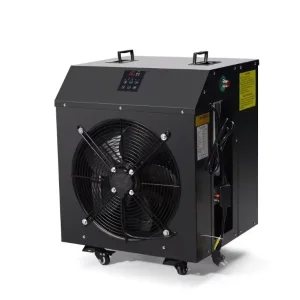
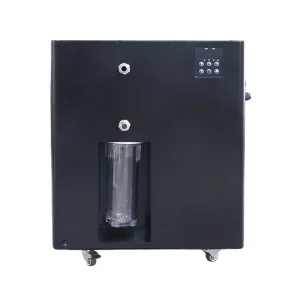
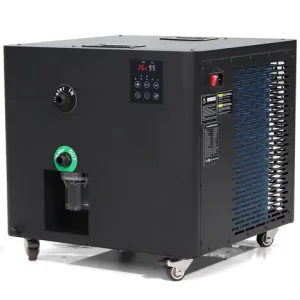
A commercial-grade R410a ice bath chiller relies on four synchronized mechanical sub-systems to maintain continuous water temperature precision without coil freeze-up:
Water flowing from an ice bath tub contains skin oils, sweat, salts, and sometimes chlorine or ozone disinfectant agents. Standard copper or stainless steel heat exchangers suffer from pitting corrosion over time. Factory-grade R410a chillers utilize Grade 1 pure titanium spiraled coils enclosed within insulated PVC or stainless shells, guaranteeing 100% corrosion resistance and zero heavy-metal leaching into bather water.
R410a operates at pressures nearly 60% higher than legacy R22 systems. China's top chiller factories integrate specially engineered Panasonic, Highly, or GMCC rotary compressors featuring reinforced motor windings, synthetic POE (polyol ester) lubricants, and thermal overload cutoffs capable of enduring high ambient ambient heat dissipation.
A primary failure mode in water chillers is fluid stagnation inside the evaporator, leading to ice formation, tube expansion, and catastrophic structural rupture. Modern Chinese production lines embed magnetic water flow sensors combined with micro-computer PID temperature sensing. If flow drops below 600 L/h, the system immediately cuts compressor relay power and initiates an anti-freeze circulation routine.
Inside the manufacturing workflow of a leading Chinese OEM chiller facility.
Building high-reliability refrigeration equipment for international export requires strict adherence to standardized assembly methodologies and multi-stage testing protocols. Leading Chinese OEM factories operating in compliance with ISO 9001 and BSCI standards implement an 8-stage production pipeline for R410a ice bath chillers:
Spectrographic verification of titanium purity, copper tubing wall thickness checks, and PCB component burn-in testing.
Nitrogen-shielded copper-to-copper silver brazing to prevent internal oxide scaling inside the refrigerant lines.
High-pressure vacuum evacuation followed by Helium leak detection capable of detecting micro-leaks under 0.5 grams/year.
Automated digital charging stations dispensing exact gram weights of pure R410a refrigerant to ensure peak COP efficiency.
Continuous operational run testing in simulated thermal chambers checking pull-down speed, water flow, and IPX4 water ingress.
Dielectric voltage withstand testing, grounding continuity checks, and GFCI leak protection validation for UL/CE compliance.
Laser engraving of customer OEM logos, custom powder-coated sheet metal assembly, and silk-screen touchpanel installation.
Heavy-duty honeycomb carton packaging with molded EPE foam buffers, vibration testing, and sea-freight moisture barrier sealing.
Anticipating regulatory changes, eco-refrigerant shifts, and smart connected recovery ecosystems from 2026 to 2030.
Under the EU F-Gas Regulation and the US AIM Act, high-GWP refrigerants like R410a (GWP 2088) face phased quota reductions. Chinese manufacturers are actively transitioning production lines toward R32 (GWP 675) for high-capacity commercial units and R290 (Propane, GWP 3) for compact residential units. Sourcing partners must ensure their factory suppliers offer dual-platform capabilities.
Traditional fixed-speed ON/OFF compressors suffer from high inrush current spikes and inefficient energy draw once target temperatures are met. Next-generation Chinese chillers feature Full DC Inverter technology, throttling compressor frequency dynamically to maintain precise temperatures with up to 40% reduction in electricity consumption and near-silent maintenance idling.
Future cold plunge chillers will no longer function as isolated hardware. Built-in Wi-Fi / Bluetooth modules supporting Tuya, Matter, and custom iOS/Android SDKs allow end-users to schedule automated pre-cooling, monitor water filter life status, receive chemical dosing alerts, and trigger remote UV ozone sterilization cycles directly from smartphones.
Essential regulatory certifications and financial fundamentals for OEM brand building.
Importing commercial cooling hardware from China into target Western jurisdictions requires comprehensive documentation to clear customs, secure product liability insurance, and satisfy retail buyer requirements. The checklist below outlines obligatory compliance standards by target geographic region:
| Target Market | Mandatory Electrical Safety | EMC / Wireless Directives | Environmental / Chemical Regulations |
|---|---|---|---|
| North America (US & Canada) | UL 60335-2-40, CSA C22.2 No. 60335-2-40, ETL Mark | FCC Part 15 Class B | US EPA SNAP Program, California CARB Compliance |
| European Union (EU) | CE Low Voltage Directive (LVD 2014/35/EU) | EMC Directive 2014/30/EU, RED 2014/53/EU | CE-RoHS (2011/65/EU), REACH, WEEE Directive |
| United Kingdom | UKCA Electrical Equipment Regulations | UKCA Electromagnetic Compatibility | UK REACH, UK RoHS regulations |
| Australia & New Zealand | RCM Mark, AS/NZS 60335.2.40 Safety Standard | EMC AS/NZS CISPR 14.1 | GEMS Energy Rating Standards |
For commercial wellness operators and growing hardware brands, procuring directly from an established Chinese OEM factory dramatically optimizes capital expenditure (CapEx) and landed product margin structures:
Deep-dive engineering and commercial answers for OEM buyers and procurement managers.
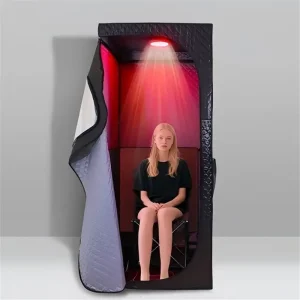
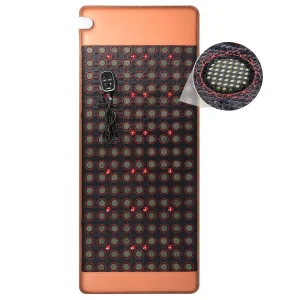
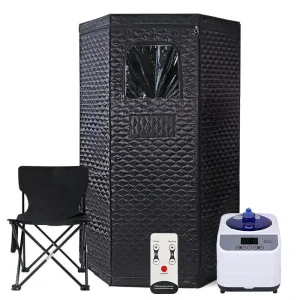
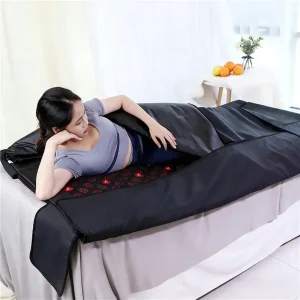
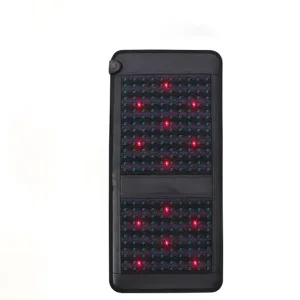
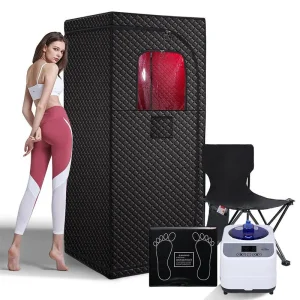
Explore our full catalog of high-performance water chillers, cold plunge tubs, and far infrared sauna systems.