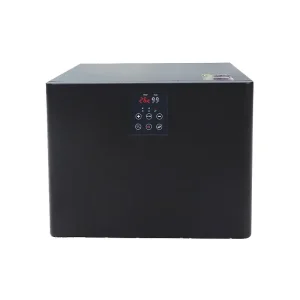
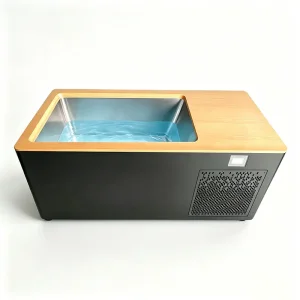
Precision engineered units delivering sub-degree thermal stability, eco-refrigerant efficiency, and commercial-grade duty cycles.
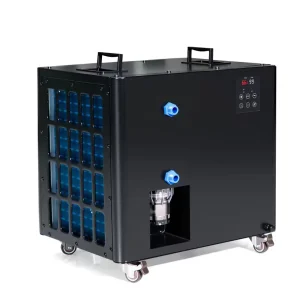
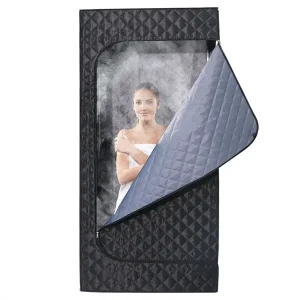
The shift toward high-precision thermodynamic regulation across industrial manufacturing, bio-medical therapy, and commercial recovery environments.
Precision temperature control chillers have evolved from specialized laboratory equipment into foundational infrastructure across multi-billion-dollar global sectors. China's position as a premier manufacturing and exporting powerhouse stems from advanced supply chain integration, automated heat-exchanger fabrication, and continuous innovations in micro-channel refrigerant circuiting.
Global demand is driven by stringent thermal tolerances required in high-tech manufacturing, medical cryotherapy systems, sports recovery facilities, and eco-conscious HVAC deployment. Modern systems demand continuous operation under extreme ambient variations while maintaining water temperature precision within ±0.1°C to ±0.5°C margins.
A significant growth vector for Chinese precise chiller exporters lies at the intersection of commercial wellness, athletic hydrotherapy, and contrast therapy. Cold plunge units and integrated spa chillers require continuous particulate filtration, sanitization (UV/Ozone), and rapid thermal pull-down capabilities (ranging from 45°C warm-up down to 2°C ultra-chill).
Exporting suppliers must navigate strict regional electrical compliance (UL 1995, CE-LVD/EMC, IEC 60335), eco-refrigerant phase-outs (F-Gas regulations in Europe and EPA SNAP rules in the US), and dual-voltage adaptability for seamless global distribution.
Key engineering transformations requested by enterprise B2B buyers and commercial procurement officers worldwide.
Global regulatory pressure has rendered traditional high-GWP refrigerants like R410A obsolete in key export destinations. Tier-1 Chinese suppliers now lead the transition to natural hydrocarbon refrigerants like R290 (Propane) and R32, achieving up to 30% higher thermodynamic efficiency while meeting European F-Gas guidelines.
Fixed-speed compressors lead to undesirable thermal oscillation. Modern precise chillers utilize Variable Speed Inverter Compressors paired with Fuzzy Logic PID algorithms, enabling real-time frequency scaling based on dynamic liquid load fluctuations.
For hydrotherapy and bio-fluid applications, chillers are no longer isolated cooling engines. Top exporters integrate multi-stage continuous sanitation—including high-intensity 254nm UV-C inline sterilizers, micron particle filtration, and titanium heat exchangers that resist salt and chemical corrosion.
When evaluating Chinese OEM suppliers, thermodynamic capacity (BTU/h or Watts) must be verified against specific ambient ambient conditions (T3 tropical standards vs T1 normal standards). Superior engineering relies on oversized titanium coaxial evaporators rather than standard stainless steel plates to prevent scaling, fluid pressure drop, and freeze-up damage.
How precise temperature control chillers are deployed across diverse commercial, medical, and residential infrastructures.
Professional sports franchises, commercial gyms, and cold plunge centers require industrial-grade water chillers capable of continuous 24/7 operation. In high-frequency usage scenarios where multiple athletes perform cold water immersion (CWI) sequentially, thermal loads spike rapidly.
Beyond human wellness, precise chillers exported from China serve high-tech industrial manufacturing, including Fiber Laser cutting machines, MRI medical imaging devices, and semiconductor processing rigs where thermal drift causes catastrophic component failure.
The high-end residential market demands compact, aesthetically refined chillers engineered for whisper-quiet indoor or outdoor terrace installation.
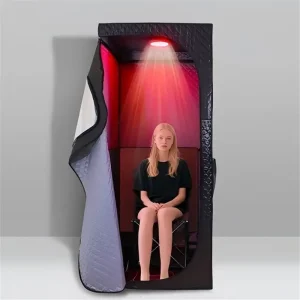
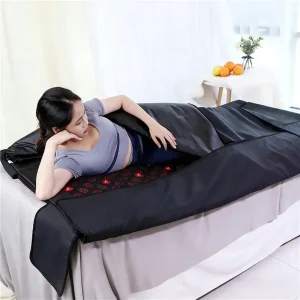
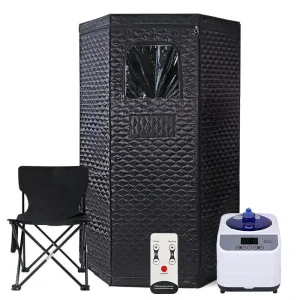
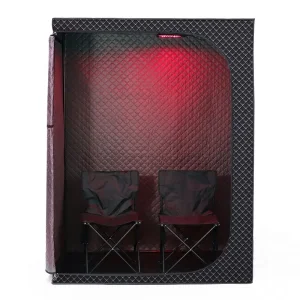
Combining precise water chillers with far infrared sauna systems or hot tubs creates a complete Contrast Therapy ecosystem, stimulating vascular constriction and dilation for accelerated tissue recovery.
Anticipating the next evolution of thermal engineering, material science, and intelligent control architectures.
Complete phase-out of legacy HCFCs across export lines. Implementation of variable-speed BLDC inverter compressors across all horsepower tiers (0.3HP to 3.0HP), delivering up to 40% energy reduction compared to traditional ON/OFF refrigeration cycles.
Integration of edge-computing microcontrollers running machine learning thermal load algorithms. The chiller anticipates ambient drop/rise and user schedule patterns, dynamically adjusting compressor RPM and electronic expansion valve (EEV) step profiles prior to thermal spike events.
Transition toward ultra-compact graphene-enhanced titanium heat exchangers. This innovation will reduce chiller physical footprint by 35% while increasing thermal transfer coefficient efficiency, enabling ultra-portable commercial units with unprecedented power-to-weight ratios.
From prototype design to high-volume manufacturing, China's precision chiller suppliers offer comprehensive customization for global brands.
Full customization of fluid connection quick-connects (G3/4", 1/2" NPT, quick-snap hose fittings), high-flow magnetic drive pump integrations, and voltage configurations (110V/60Hz, 220-240V/50Hz, 230V/60Hz) tailored to target export territories.
Bespoke sheet metal fabrication, custom powder coating colors, laser-engraved brand logos, custom acrylic control panels, and branded retail packaging engineered for international drop-ship or bulk container freight.
Factory-level testing protocols backed by third-party audit reports (SGS, Intertek, TÜV). Units are pre-tested for helium leak detection, electrical dielectric strength (hi-pot), and continuous 24-hour thermal pull-down performance verification prior to packaging.
Expert answers to key engineering, compliance, and procurement queries for precise temperature control chillers.
Standard chillers typically operate on basic mechanical thermostat switches, leading to broad thermal swings of ±2°C to ±5°C. A precise temperature control chiller utilizes digital micro-PID controllers, Electronic Expansion Valves (EEV), and frequency-inverter compressors to maintain precise water temperatures within ±0.1°C to ±0.5°C tolerances. This prevents thermal shock in medical/industrial applications and provides consistent, safe cooling in athletic ice baths.
Chiller sizing depends on water volume, target temperature, ambient environment, and desired pull-down rate. As a general industry rule for cold plunge applications: a 0.3HP to 0.5HP chiller is ideal for residential tubs up to 300–400 Liters (chilling down to 3°C–5°C). Commercial facilities or larger tubs (500L–1000L+) with high user turnover require 1.5HP to 3.0HP units with high flow rates (1000+ L/H) to handle continuous heat loading.
Yes. R290 (Propane) has a Global Warming Potential (GWP) of only 3 and Zero Ozone Depletion Potential (ODP). It fully complies with the European Union F-Gas Regulation (EU No 517/2014 phase-down) and US EPA SNAP guidelines. Because R290 is flammable (A3 safety classification), top-tier Chinese manufacturers engineer hermetically sealed refrigeration circuits, explosion-proof electrical enclosures, and leak-detection safety cut-offs.
Water used in human hydrotherapy often contains Epsom salts, chlorine, ozone, or bromine for sanitization. Standard copper or stainless steel heat exchangers rapidly corrode or pit when exposed to dissolved minerals and halogen sanitizers. Titanium exhibits total corrosion resistance to saltwater and harsh chemicals, guaranteeing a long service life without risking copper leaching or refrigerant leaks.
B2B buyers can customize compressor brand selection (Panasonic, Mitsubishi, GMCC), casing design (stainless steel, heavy-duty aluminum powder coated), integrated sanitation options (UV-C inline lights, ozone generators, 5-micron washable filter cartridges), custom digital touchscreens, custom app integration (Tuya, Smart Life, RS485 Modbus), and private label branding.
High-performance chillers designed for global export feature oversized condensers with hydrophilic aluminum fins, high-static pressure axial fans, and tropicalized (T3 rating) compressors. This engineering ensures the system maintains thermodynamic heat dissipation even when deployed outdoors in high-temperature regions such as the Middle East or Southern United States.
Sample evaluations typically ship within 7–14 days. Standard production lead time for bulk container orders (20ft / 40ft HQ) ranges from 25 to 35 days depending on customization depth. Minimum Order Quantities (MOQs) for custom private-label branding start as low as 10–20 units for high-tier models, while standard catalog SKUs can be ordered in smaller batch quantities.
Routine maintenance includes cleaning or replacing the particulate water filter cartridge monthly, cleaning air condenser fins from dust accumulation quarterly, and flushing fluid lines every 3 to 6 months depending on water quality. Integrated self-diagnostic systems provide automated code alerts for flow restriction or filter blockage.
Expanding your product line with certified photon therapy, hydrotherapy, and precision chilling SKUs.