B2B Engineering & Strategic Sourcing Guide

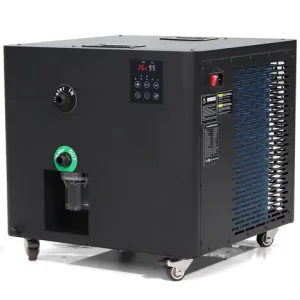
Cheap Recirculating Water Chiller Product & Manufacturers

A technical guide to precision water cooling thermodynamics, low-GWP hydrofluorocarbon mitigation, and scalable OEM manufacturing architectures.

Direct Factory Catalogue

Precision Recirculating Thermal Equipment (Part I)

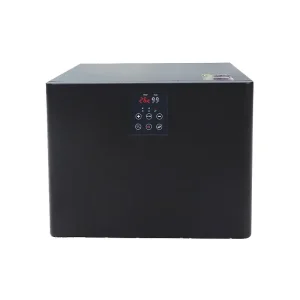
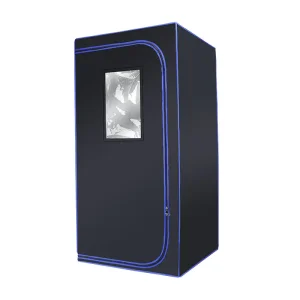
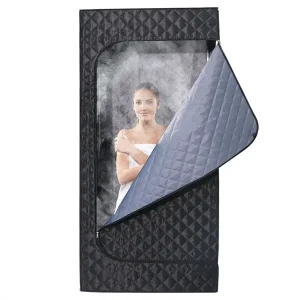
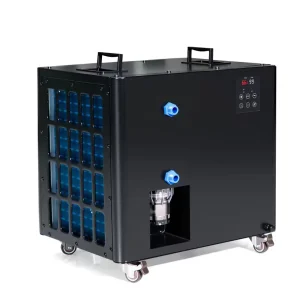
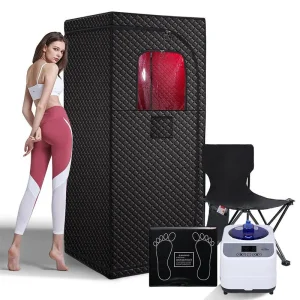
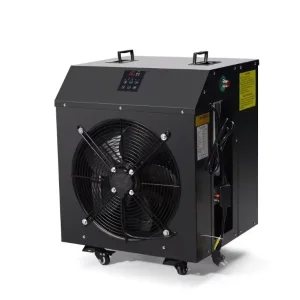
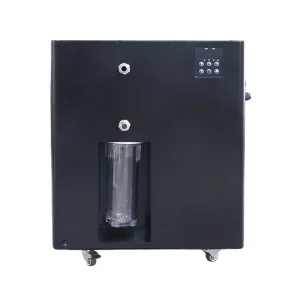
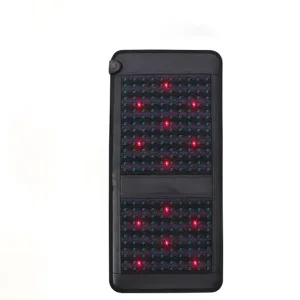
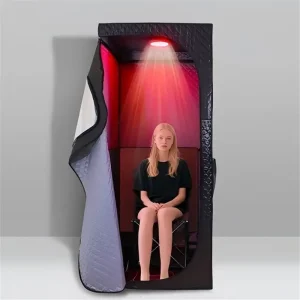
Engineered cold plunge recirculating chillers, portable infrared therapy setups, and hyper-efficient hydro-cooling nodes engineered for direct B2B integration.
Thermal Architecture

Macro-Industrial Solutions & Closed-Loop Cooling Engineering

Analyzing how modular, low-cost recirculating water chillers have transitioned from pure laboratory niches into multi-billion-dollar athletic recovery and industrial automation verticals.

Thermal Equilibrium Calibration

Modern recirculating chillers are built around dynamic PID microcontrollers that calibrate compressor modulation against fluctuating thermal dissipation curves, keeping fluctuations within an exact ±0.5°C boundary.

Cost Engineering vs. Component Quality

Procuring an economically priced chiller without sacrificing reliability requires strategic design: replacing oversized copper coils with titanium heat exchangers that resist corrosion while using efficient rotary compressors.

Continuous Hydrodynamics & Sanitization

Closed systems risk biofilm buildup and cavitation. Modern systems integrate high-flow magnetic pumps (1000 L/H) alongside integrated 254nm germicidal UVC sanitizers and high-density ozone generators without restricting flow.

E-E-A-T Technical Benchmark

Inside Industrial-Grade Thermodynamic Management

When sourcing wholesale recirculating chillers, low purchase price must align with balanced compressor displacement, heat exchange efficiency, and electrical safety certifications.

  • Next-Gen Refrigerants: Transitioning to R290 (propane) and R32 reduces Global Warming Potential (GWP < 3) while exceeding US EPA and EU F-Gas regulations.
  • Coaxial Titanium Evaporators: Pure titanium coils protect against salt oxidation, chlorine breakdown, and galvanic reactions across extended duty cycles.
  • Multi-Region Dual Frequency: Universal power supplies support 110V/60Hz and 220–240V/50Hz grids without needing separate internal pump assemblies.
  • Smart Circuit Protection: Includes water level fail-safes, anti-freeze flow switches, and thermal overload cut-offs for continuous unattended operation.

Fail-Safe Redundancy

Automated compressor shutdown triggers whenever flow falls below 4 L/min, preventing internal freeze-ups.

High Coefficient of Performance

Maintains a CoP of 3.8+ at a 20°C ambient baseline, cutting power draw during prolonged cold-soak periods.

Precision Engineering

Dual capillary tube bypass systems maintain low head pressures during high-temperature restarts.

IoT & Modbus Readiness

Enables RS485 and Wi-Fi telematics for remote parameter monitoring, fault logging, and app control.

200+
Skilled Factory Technicians
600K+
Annualized Production Units
2°C - 45°C
Dual-Mode Temp Calibration
< 48 dB
Acoustic Decibel Rating
Deployment Scenarios

Commercial, Industrial & Athletic Applications

Examining field installations across North America, the European Union, and Australasia where cheap yet durable recirculating chillers are essential to continuous operation.

Sports Recovery & Cold Plunges

Commercial gym networks and wellness studios require continuous water chilling at 3°C to 5°C. High-flow 1.0HP to 1.5HP chillers handle continuous athlete throughput without core freeze-overs.

Laser & Machine Cooling

CO2 laser cutters, CNC spindles, and micro-welding stations rely on closed-loop cooling to protect sensitive optical mirrors and tube junctions from thermal expansion cracks.

Laboratory & Hydroponics

Biochemical sample preservation and hydroponic nutrient cooling demand precise fluid temperatures. Stable water temps prevent root rot and keep bioreactors running within design parameters.

Regulatory Defense

Global Compliance, Safety Testing & Regional Support

How HK Dongda Supply Chain Limited eliminates import delays and cross-border liability with third-party testing and multi-market certifications.

CE & Low Voltage Directive

Full compliance with EN 60335-1 and EN 60335-2-40 standards guarantees electrical safety across European member states.

FCC Part 15 & UL 60335

Pre-cleared electromagnetic compatibility shields North American partners against high-frequency line interference and consumer liability.

RoHS & WEEE Verification

Every internal lead, gasket, and solder point undergoes strict material testing to prevent banned heavy metals from reaching landfills.

Rapid Spares Dispatch

Critical replacement subassemblies—such as PCBA controller boards, quick-connect fittings, and water pumps—ship within 48 hours.

Strategic Roadmap

Engineering Roadmap & Thermodynamic Innovations

A look at the thermodynamic technologies and manufacturing milestones shaping our next generation of high-efficiency recirculating chillers through 2030.

Full-DC Variable Inverter Loops

Moving away from fixed-speed AC compressors, our upcoming architectures use brushless DC inverter drives to lower noise below 42 dB while improving seasonal energy performance by 34%.

Natural CO2 (R744) Systems

We are investing in transcritical CO2 cycle platforms that deliver zero ODP and a GWP of 1, ensuring compliance with future environmental legislation across the EU and North America.

Predictive Cloud Diagnostics

Integrated micro-sensors monitor condenser saturation, suction line superheat, and pump pressure drops, alerting commercial facilities to issues before a system shuts down.

Complete Portfolio

Recirculating Cooling & Wellness Lineup (Part II)

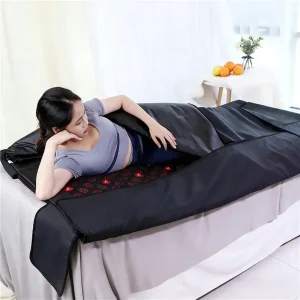
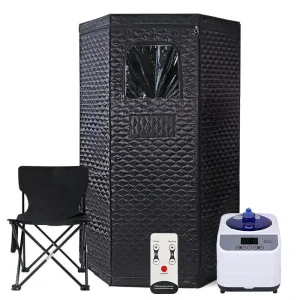
Explore our full range of 0.3HP to 1.5HP hydro-chillers, far-infrared thermal recovery systems, and modular therapy solutions available for global wholesale orders.
Technical Clarifications

Frequently Asked Questions on Industrial Sourcing

Authoritative answers for procurement managers, brand partners, and equipment buyers evaluating commercial recirculating water chillers.

What distinguishes a cheap recirculating water chiller from poorly built consumer cooling units?
A high-value, cost-engineered commercial recirculating chiller reduces purchase price through standardized modular chassis designs, bulk component sourcing, and efficient manufacturing lines—never by compromising core thermal components. Low-grade units cut costs using low-tier aluminum heat exchangers (which quickly corrode when exposed to water treatments), undersized compressors, and plastic pump impellers prone to cavitation. In contrast, our cost-effective platforms use titanium coaxial heat exchangers, hermetic Panasonic or GMCC compressors, and isolated electronic controls with built-in current overload protection.
How do you calculate the correct cooling capacity for high-volume tubs or industrial loops?
Chiller sizing is calculated with the thermodynamic pull-down formula: Q = (V × ΔT × 4.186) / t, where V represents liquid volume in liters, ΔT is the target temperature differential in Celsius, and t is the desired cooldown window in seconds. You also need to account for ambient thermal gain—especially during hot summer weather—plus human heat loads (approx. 100W per resting bather) or motor heat. For standard 300L residential plunges, a 0.5HP unit is generally sufficient. For commercial gyms with back-to-back users, a 1.5HP dual-mode chiller with high-flow pumps is necessary to prevent water temperatures from rising between sessions.
Why are R290 and R32 refrigerants replacing legacy R410A and R134a systems?
International climate agreements—including the Kigali Amendment and EU F-Gas Regulations (EU 2024/573)—mandate steep phasedowns of high-GWP hydrofluorocarbons. Traditional R410A has a high GWP rating of 2,088, leading to rising import duties, quota restrictions, and shipping surcharges. R32 (GWP 675) improves heat transfer efficiency by roughly 12%, while R290 (propane, GWP < 3) provides an environmentally neutral, ozone-safe solution. Using R290 and R32 keeps our commercial chillers fully compliant with tightening environmental laws across Europe, North America, and Australia.
What maintenance procedures are required to prevent bio-fouling and internal freezing?
To keep systems running at peak heat-transfer efficiency, recirculating loops should use a 20-micron sediment pre-filter alongside continuous sanitization like inline 254nm UVC sterilization or low-output ozone injection. These sanitation steps keep evaporator walls free from algae and microbial films that impede heat transfer. Every 90 days, technicians should run a food-grade citric acid flush through the closed loop to dissolve mineral scale. Our chillers also include an internal microcomputer that cuts power if water flow drops below 4 L/min, preventing water from freezing inside the titanium heat exchanger.
What OEM/ODM customization options are available for private-label brands?
Our engineering team offers extensive private-label development services. Beyond surface branding and custom laser-etched powder-coated chassis designs, we adjust mechanical plumbing layouts (such as our 4-point manifold outlet system), match water pump flow rates from 800 to 2500 L/H, build custom digital display overlays, and flash firmware with personalized boot screens. We also develop complete consumer iOS/Android apps via Tuya IoT modules, allowing end users to schedule sessions, monitor current temperatures, and run sanitization cycles right from their phones.